
What is ataxia?
Good question. If my mom hadn’t lived with it and died from it, I really wouldn’t know either. Even now, my knowledge for the time being is primarily based on what I saw my mother experience and what I am beginning to experience. In the next few months, I plan to become an expert on the condition. Please feel free to ask me any questions and I will be glad to answer them as best I can.
In a nutshell, ataxia is a degenerative neurological condition that systematically impairs an individual’s motor skills resulting in the loss of ability to walk, write, chew, control bodily functions, or basically do anything independently. It can also impair cognitive functioning. Summary assessment: It’s the fucking pits.
Here’s what the National Institute of Health has to say about my specific form of ataxia (SCA1):
- SCA1 is a condition characterized by progressive problems with movement. Signs and symptoms of the disorder typically begin in early adulthood (for me, it was a discernible change in balance, which is now accompanied with very very slight speech changes).
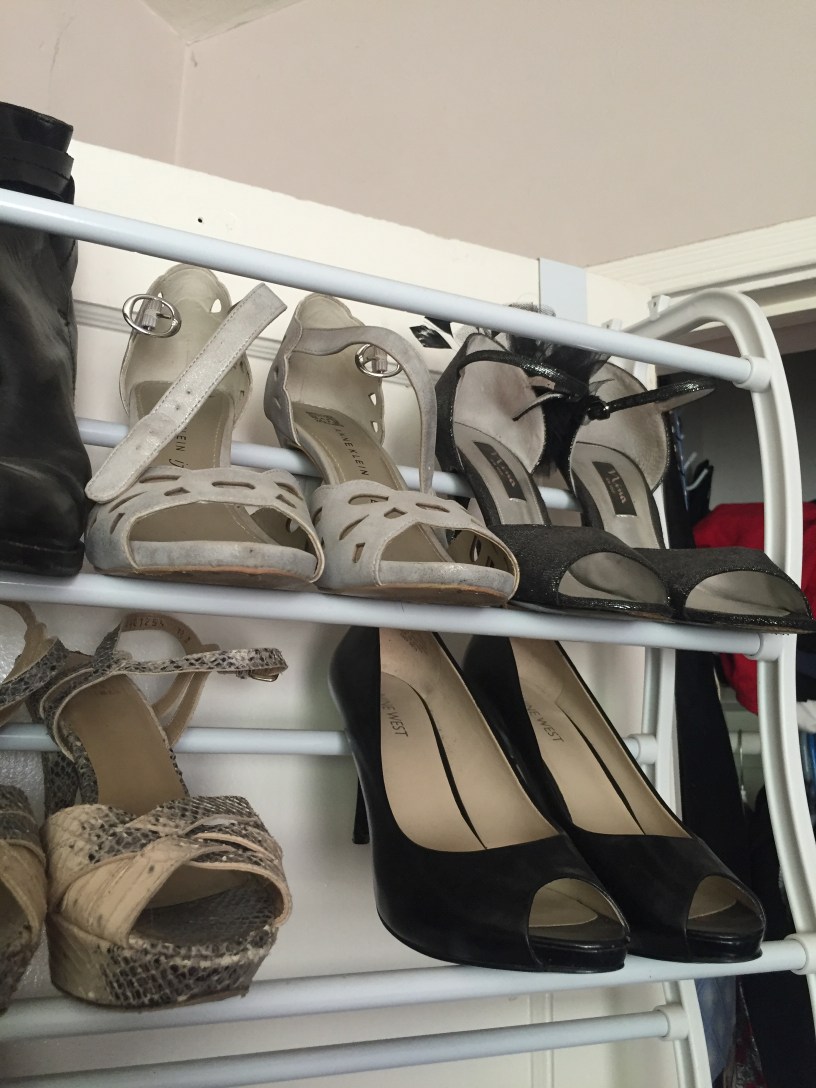
- People with SCA1 initially experience problems with coordination and balance (hellllllllo falling, sayonara high heels!)
- Other signs and symptoms of SCA1 include speech and swallowing difficulties (I only have very mild expressions of these so far), muscle stiffness, and weakness in the muscles that control eye movement. Individuals with SCA1 may have cognitive impairment – difficulty processing, learning, and remembering information (see, Corby, you just think I am never listening but it’s genetic. J/k).
- Over time, individuals with SCA1 may develop numbness, tingling, or pain in the arms and legs; uncontrolled muscle tensing; muscle wasting; and muscle twitches.
- And now to drop the boom: People with SCA1 typically survive 10 to 20 years after symptoms first appear.
My mom was diagnosed when she was 40 but had really been searching for answers for several years before she received her diagnosis. With SCA1, as the gene is passed down, it tends to increase in number of repetitions so onset is more likely to occur sooner. I would guess my true onset as compared to my mom is about 4 years earlier. I am 36 and I would estimate first onset of noticeable symptoms at 34.
My mom also lived 20 years after her diagnosis despite a 10-year projected life expectancy. I have to be honest though. Quality of life is far more important to me than quantity and the last 10 years of my mother’s life were not ideal. I take a lot of the blame for that. She lived in an convalescent home so she could receive 24-hour care. She watched television nearly every waking hour and rarely went outside. My visits were scarce. My dad started dating other women. There’s so much about those last ten years that frightens the shit out of me. But we can get into that more later.
For now, let’s focus on the now. Ataxia is a relatively rare disorder. Fortunately, one of the very few ataxia clinics in the country is at my alma mater, UCLA. Thanks to my dear friend (and diagnosing physician) Jeremy, I will be meeting with the head of the clinic, a preeminent ataxia researcher, on May 23 to game plan. If I am a viable candidate to be included in any clinical tests, I plan to participate. I’ve already been donating to the National Ataxia Foundation for years, but now I plan to mobilize an army to research and help find a cure. That’s right, I failed to mention that there is currently no cure for ataxia disease, but I plan to go down swinging (perhaps uncontrollably, but you take what you can get).
Who’s with me?


Always with you. Always.
LikeLike
I’m with you! Anything you need….anytime. Love Rich V.
LikeLike
I finally figured out how to post. Victory #1: letting you know you’re not alone. We all love you so much. Thank you for including me/us in this journey and we will fight with you.
LikeLike
I know your question may be rhetorical. But if you have to see it, “me!”
LikeLike
I’m with you, Amy!!
LikeLike
We’re with you!
LikeLike
Always.
LikeLike
Amy, I know that I don’t know you very well at all but my thoughts
and prayers go out to you and to Corby!!!! You couldn’t ask for a better support system with that guy, you are in very good hands there!!!! Hugs and more hugs!!!
LikeLike
gail and i are with you always. love you guys
LikeLike
Hello Amy we have never met but I have just found your details online today about Ataxia I have just got home from hospital my husband got the news he has the same
I wish you good health
kind regards Julia
we live in Perth Western Australia
LikeLike